Your Recovery Starts Here
Daily movement can become difficult when joint stability is compromised. Whether you're recovering from a ligament injury, navigating chronic instability or just looking to stay supported through high-impact activity, having the right support brace can be a key part of your progress. At Support Brace Australia, we focus on clinically backed, high-quality braces that are built for real-world use, supporting you through recovery and beyond.
Your Recovery Starts Here
Shop Ankle BracesPremium Support Braces & Orthopaedic Supports, Australia-Wide
What Does Support Brace Help With?
Support Brace offers braces that help stabilise joints, manage instability and keep you moving through recovery, sport or daily activity. Depending on the design, bracing can control joint movement, provide external reinforcement, or help compensate for muscular imbalances.
Common conditions people use braces for include:
- ACL and MCL injuries requiring post-surgical or ligament stabilisation support
- Knee and ankle instability from chronic weakness or repeated sprains
- Osteoarthritis, where joint unloading can help maintain mobility
- General activity support for high-impact sport or physically demanding work
Selected braces are intended for short-term use, while others are made to be worn consistently across months or years. It’s important to match the type of support to your specific needs, lifestyle and mobility goals.
What Are the Different Types of Braces?
Support braces are grouped by body area, each built for specific conditions, activity levels and recovery stages.
Knee Braces
Knee braces range from compression sleeves for everyday support to hinged designs for ligament injuries, unloader braces for osteoarthritis and post-surgical options for controlled recovery. The right choice depends on your condition, activity level and whether you’re focused on protection, rehab or long-term management.
Ankle Braces
Ankle braces go from mild compression sleeves for sprains to lace-up and stirrup designs for instability and serious injuries. For full immobilisation, CAM walkers (moon boots) are available in standard and inflatable versions, with accessories like liners, bladders and walking wedges.
Back Braces
Back braces support the lumbar region for strain, sciatica and postural issues. Lightweight wraps suit daily use, while firmer structured options are available for more significant support needs.
Foot Braces
Foot braces are built for conditions that affect walking, particularly drop foot, where muscle or nerve weakness makes lifting the front of the foot difficult. These designs help maintain natural gait and day-to-day mobility.
Shoulder Braces
Shoulder braces cover basic immobilisers for post-surgery or dislocation through to structured designs that limit rotation or support the clavicle. Most are used in the early stages of recovery when joint protection is the priority.
Elbow Braces
Elbow braces offer compression for conditions like tennis elbow and golfer's elbow, with hinged options for post-surgical rehab requiring controlled movement. They suit both overuse injuries and structured recovery programs.
Wrist and Hand Braces
Wrist and hand braces stabilise the joint for conditions including carpal tunnel syndrome, tendonitis, sprains and fractures. Options include rigid splints, flexible compression supports and thumb spica designs for thumb and wrist injuries.
Explore By Focus Area
When Should You Wear a Brace?
A brace is appropriate when your joint needs extra support during recovery, daily activity or sport. The right time to start wearing one depends on your situation:
- Post-injury or post-surgery when the joint needs protection and controlled movement during healing
- Chronic instability or arthritis, where ongoing support helps maintain function and confidence in movement
- Sport and high-impact activity when you want to protect a vulnerable or previously injured joint during training or competition
If you're unsure whether an orthopaedic brace is appropriate for your condition, speak with your doctor, physiotherapist or healthcare professional. They can assess your needs and recommend the most suitable support option for your recovery, activity level and overall joint health.
Who We Support
Support Brace is here for anyone who values confidence in movement. Whether you're an athlete managing high-intensity activity, a worker looking for day-to-day joint reinforcement or someone adjusting to a physical challenge, our goal is to provide practical, accessible support.
We serve a wide community, from those in rehabilitation to those prioritising prevention. Whatever your reason for needing bracing, we’re here to back you with purpose-designed options and friendly, informative guidance.
How Do You Choose the Right Brace?
Step 1: Identify Your Support Area
Begin by considering the part of your body that needs added support. This helps you narrow down the brace types best suited to your situation. We recommend discussing your needs with your healthcare practitioner, who can guide you towards the most appropriate option.
Step 2: Explore Your Options
Browse our curated collections tailored to each body area. Each product listing includes specifications and intended uses to help you make an informed choice.
Step 3: Complete Your Order
Once you’ve selected a brace, simply add it to your cart and follow the checkout process. Our team is always here if you have any questions or need assistance regarding our process.
Why Choose Support Brace


Fast Australia-Wide Delivery
We process orders quickly so you get the support you need without delay. Our shipping network covers metro and regional areas across the country.


Safe & Easy Online Payment
Our secure checkout makes it easy to order with confidence. We offer trusted payment gateways and clear transaction steps.


Best Quality & Price Guarantee
We work directly with Össur Australia to deliver clinically proven braces and supports at the best available prices without compromising on quality.
Expert Guidance You Can Trust
We provide helpful product information, injury-specific recommendations and friendly customer service, so you never feel like you’re navigating recovery alone.
Find Your Way Forward
From lightweight compression to full ligament stabilisation, our everyday and orthopaedic braces cover every stage of recovery and every level of activity. Whether you're browsing for a current need or planning ahead, we’re here to make your experience smoother.
Find the right support and feel prepared for whatever comes next with Support Brace Australia.
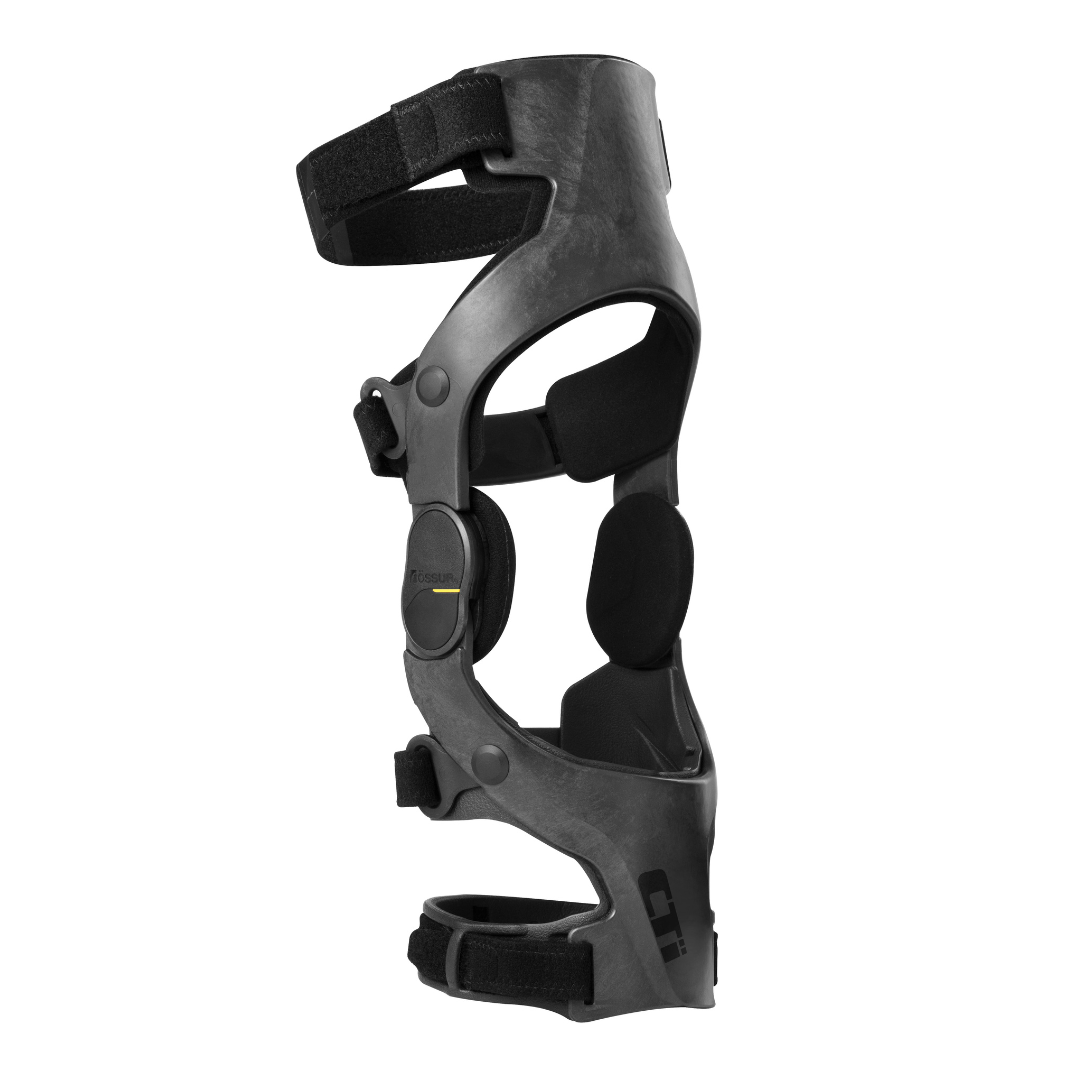
CTi3: Now the perfect blend of quality, protection and affordability!
The CTi3 is a comfortable, lightweight and durable ligament knee brace, providing stabilisation of the knee joint and an anatomical design, making it suitable for both everyday activities and sports.